Driver behaviour remains key
At the heart of fleet efficiency is the driver. Smooth, consistent driving, better anticipation and the intelligent use of engine braking can all significantly reduce fuel consumption and vehicle wear.
There are added benefits too, with less strain placed on key components such as brakes and transmissions. Bridgestone says targeted training and regular performance feedback are essential to unlocking this potential and embedding best practice across fleet operations.
Smarter planning, stronger performance
Route planning also plays a critical role. Factoring in traffic conditions, route profiles and loading times can help minimise downtime and keep vehicles moving efficiently.
Telematics systems provide operators with the data needed to make informed decisions, helping to reduce empty running, improve utilisation and ultimately lower fuel consumption per job.
Bridgestone points to integrated solutions such as Fleet Care, which connect tyre and vehicle data to give operators a clearer picture of fleet performance. This enables earlier identification of maintenance needs, improved planning and better overall vehicle availability.
Tyres: an untapped efficiency lever
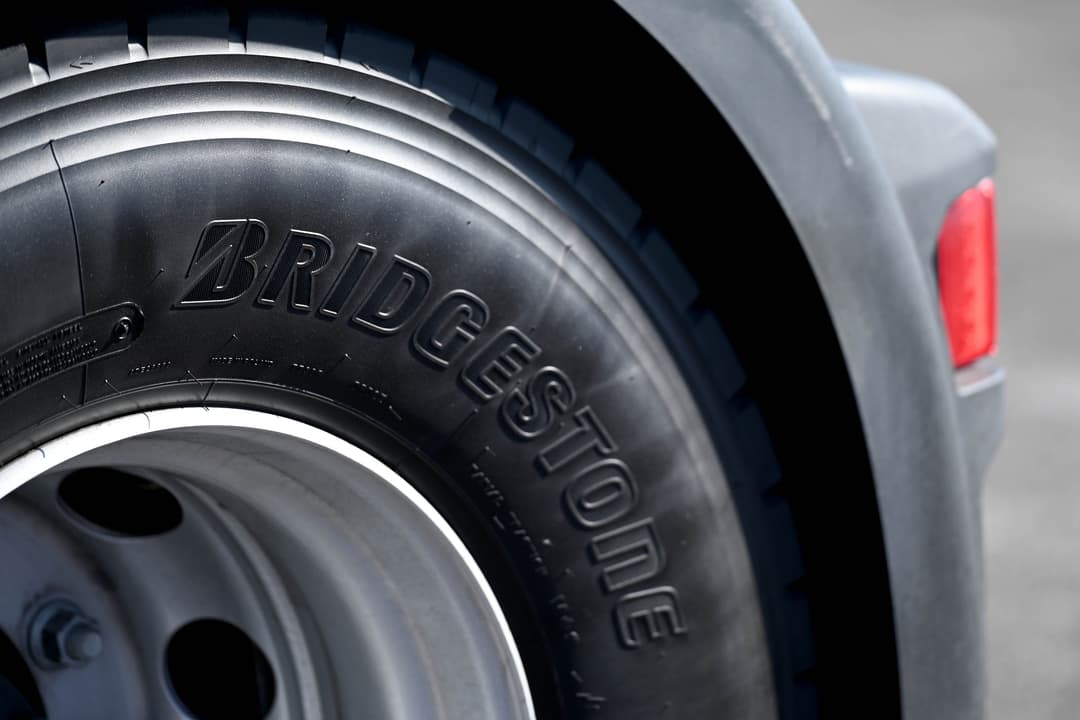
Tyres remain one of the most influential - and often overlooked - factors in fleet efficiency. As well as being critical to safety, they have a direct impact on rolling resistance and fuel consumption.
Bridgestone continues to develop application-specific solutions to meet different operational demands. For long-haul fleets, the Ecopia range with Enliten technology delivers low rolling resistance and high mileage, helping to drive down fuel costs over extended distances.
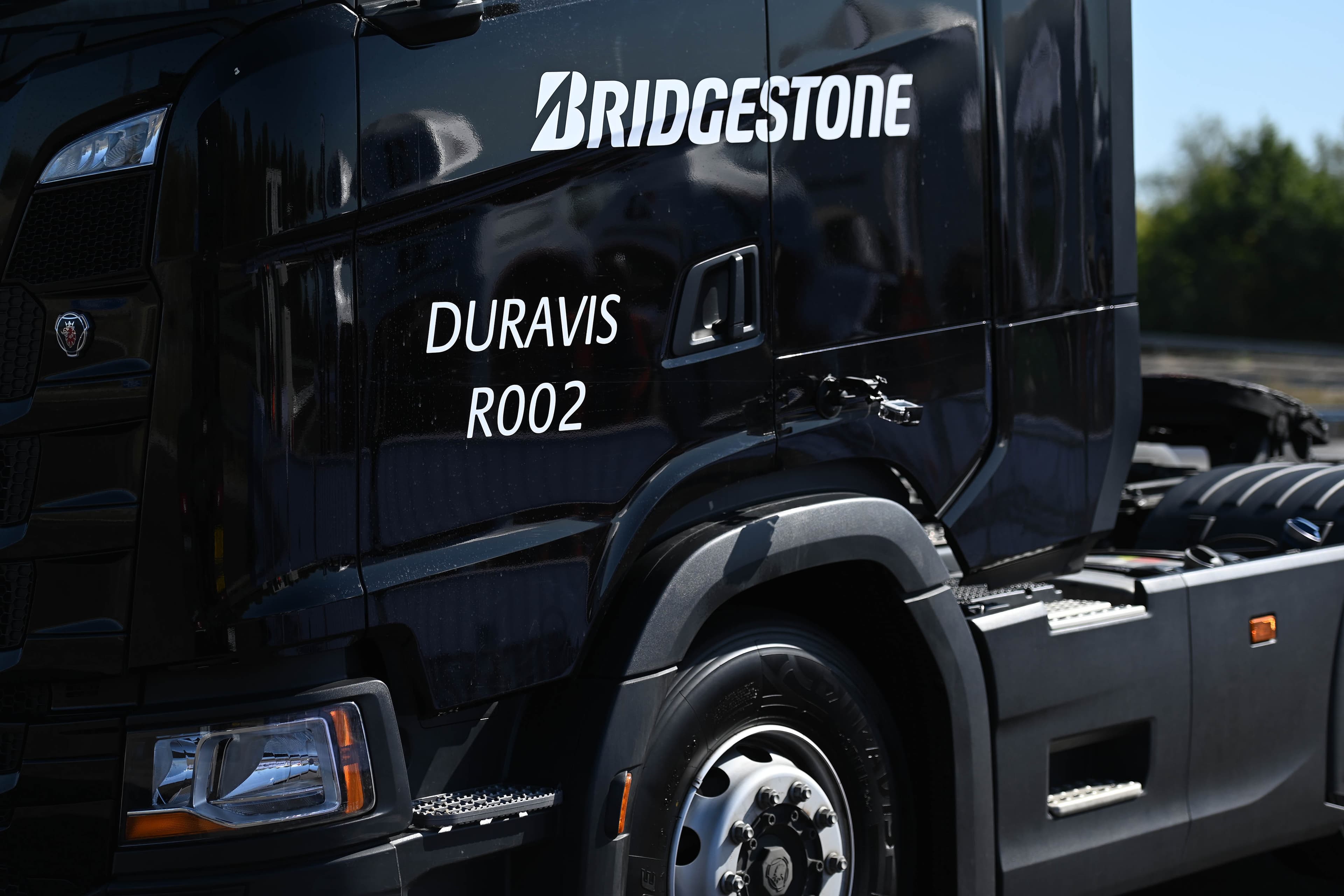
For regional operations, the Duravis R002 offers durability and even wear, supporting consistent performance across mixed conditions. Meanwhile, the M-Series 002 is designed for more demanding on- and off-road use, offering strong traction and a robust construction. Firestone’s Regional range provides a cost-effective alternative, balancing efficiency with competitive cost per mile.
Pressure and maintenance matter
Correct tyre pressure is another critical factor. Even small deviations can increase rolling resistance, impact handling and accelerate wear. Regular monitoring, ideally through automated systems, is key to maintaining performance.
Bridgestone Fleet Care uses sensor-driven data to provide real-time alerts when tyre pressures fall outside optimal levels, helping operators take immediate corrective action.
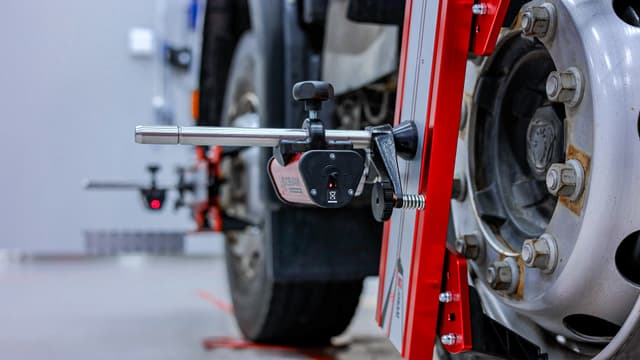
Alongside this, a consistent maintenance regime, including wheel alignment and balancing, ensures even wear and sustained performance across the tyre lifecycle.
Retreading drives long-term value
Retreading continues to play a vital role in improving fleet efficiency. Bridgestone’s Bandag solutions allow operators to reuse premium casings multiple times, extending tyre life and reducing overall cost per kilometre.
As well as delivering clear commercial benefits, this approach also supports sustainability goals by reducing raw material use and lowering emissions over the tyre’s lifecycle.
For more information about Bridgestone’s commercial tyre solutions, visit https://www.bridgestone.co.uk/truck-and-bus





%20SP%20Training.webp&w=640&q=75)