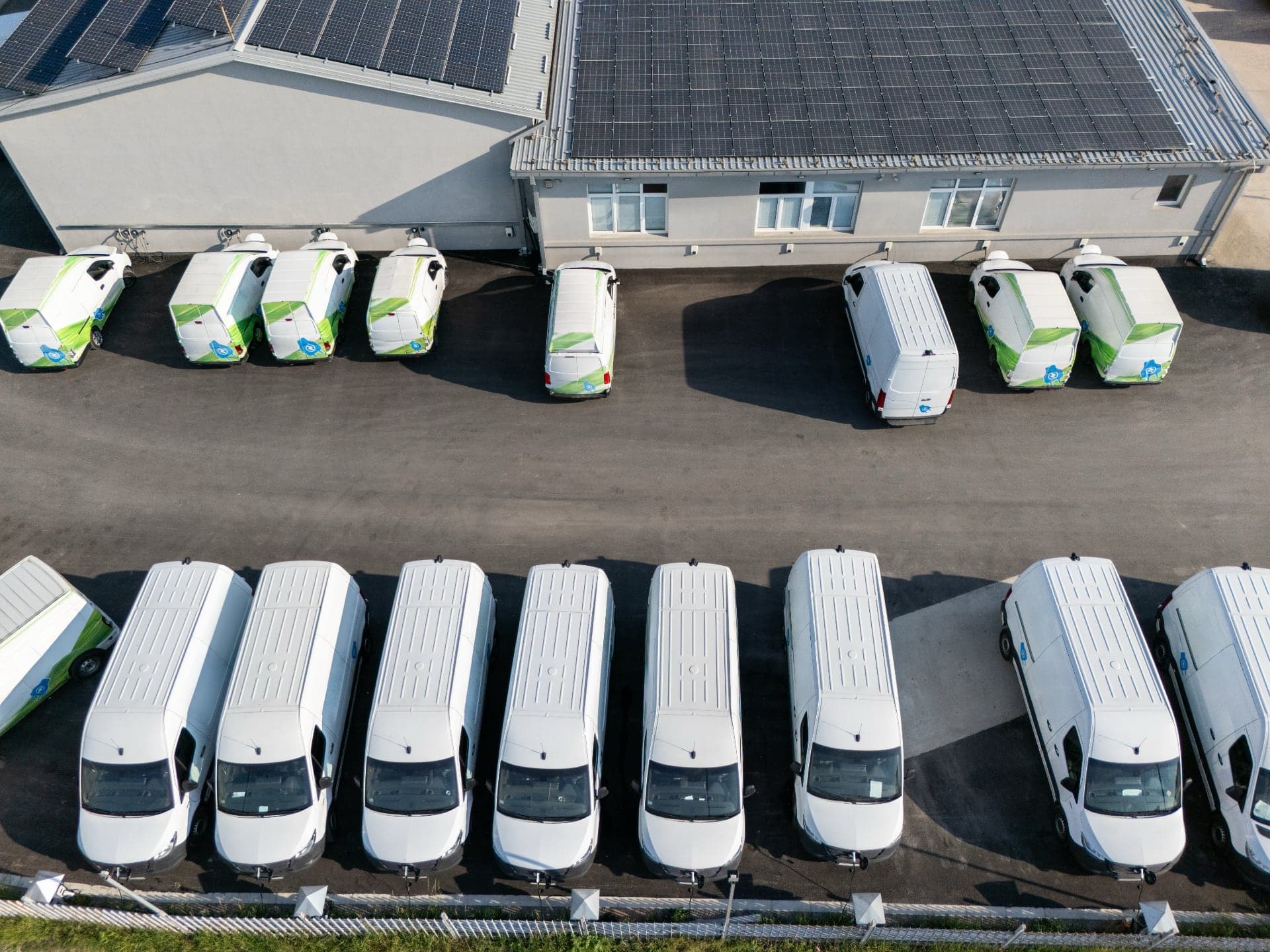
The nation's van fleets play an important part in the UK's road to net zero. While vans account for 12% of all UK transport emissions, that is set to change with the UK government committed to ending sales of new diesel vans in 2030.
However, transitioning to electric vans is not simply a case of swapping keys. It is a strategic operational shift that involves finance, infrastructure, operations and people. When businesses get it right, they stand to make significant savings.
Simon Ridley, Managing Director at Dawsongroup vans, a nationwide commercial van rental company specialising in long-term fixed-term rental agreements, knows this transition well.
"The businesses that make a success of going electric are the ones that treat it as a planned programme, not a procurement decision. The van is just one part of the picture."
Here, with experts at Dawsongroup vans, we take a look at the necessary preparation steps to help businesses successfully transition their fleet to electric.
Start With a Thorough Fleet Audit
Before a single electric van arrives on the fleet, managers need a clear picture of how their existing vehicles are used. What are the average daily mileages across different routes? What payloads are typical? How many stops are made, and where do vehicles park overnight?
With the average UK van travelling fewer than 50 miles a day, well within the range of most modern electric models, range anxiety is less of an issue for most fleets. However, exceptions exist and overlooking them can cause serious operational disruption. Route analysis, dwell time data and an honest assessment of exceptional journeys should all inform any purchasing decision.
"Range anxiety is real, but it is often based on assumption rather than data,"
says Ridley.
“When fleet managers look at their telematics, they’ll often find that their routes are well within what current electric vans can handle."
Don’t Overlook Charging Infrastructure
Charging is where many businesses come unstuck. Access to public charging points is growing, with more than 116,000 across the UK, but businesses need to think beyond this when forming their strategy.
Fleet managers need to consider whether depot charging, home charging for drivers, or a hybrid approach best suits their operation. Each option has different cost implications, grid capacity requirements and lead times for installation. For larger fleets, it’s essential to engage facilities and property teams early as waiting until vehicles are on order can cause costly delays.
"Charging infrastructure is not something you retrofit as an afterthought. It needs to be planned in parallel with your vehicle selection, not after it."
Understanding the Real Cost Picture
Electric vans carry a higher upfront price tag than diesel vans and, in some cases, this can be several thousand pounds more.
However, the total cost of ownership is about more than the cost of purchasing the vehicles. Recharging costs significantly less than diesel, servicing intervals are longer due to fewer moving parts, and government plug-in van grants of between £2,500 and £5,000 are available to eligible buyers too. For larger fleet operators, bulk purchasing can help unlock further discounts.
“Purchasing EV vans for your fleet is not the only option. Long-term rental might work better for your business, removing barriers such as the high initial outlay and the headache of maintenance and servicing.”
Businesses should also factor in the financial risk of not transitioning. Clean air zones and ultra-low emission zones are expanding across UK cities, and vehicles that fall foul of those restrictions face ongoing daily charges that erode any potential savings from sticking with diesel.
Bring Your Drivers with You
Driver confidence is one of the most underestimated factors in a successful EV transition. Many drivers have concerns about range, charging etiquette and how electric vans handle differently to diesel, particularly around regenerative braking and one pedal driving techniques.
Providing hands-on training before vehicles go into service can make a big difference to driver satisfaction and to the real-world range achieved by drivers.
“A well briefed driver will consistently get more from an electric van than one that’s left to figure it out alone. Drivers who were sceptical can quickly become advocates. The combination of ride experience, the quietness and the instant response, can positively change how they feel about their working day."
Think in Phases, Not One Big Switch
A complete overnight transition isn’t practical for most businesses. A phased approach, starting with routes and vehicles that are the strongest fit for electrification, reduces risk and allows the organisation to build operational confidence before scaling.
It’s crucial to monitor performance data closely during the beginning of the transition. Range versus route demands, charging efficiency, maintenance records and driver feedback all provide information that should shape the next wave of EV van purchases.
"The businesses getting this right are not trying to do everything at once,"
says Ridley.
“They are making smart, methodical decisions, learning as they go and building a transition plan that is grounded in their own operational reality."



%20SP%20Training.webp&w=640&q=75)