Fleet compliance specialist AssetGo is highlighting how operators can prepare for new tachograph regulations affecting light commercial vehicles (LCVs), which will come into force on 1 July 2026.
Under new rules introduced as part of EU Mobility Package I, LCVs and vans with a gross vehicle weight above 2.5 tonnes that are engaged in international transport of goods or cabotage operations for hire or reward must be fitted with a second-generation smart tachograph (G2V2).
The regulation marks a significant shift for the sector, as vehicles in this category were previously exempt from tachograph requirements. From July 2026, drivers of affected vehicles will need to comply with EU drivers’ hours rules, including maximum daily driving limits and mandatory rest breaks, in the same way as heavy goods vehicle operators.
The changes also mean that operators will be required to capture, download and present tachograph data during inspections, including driver card data and up to 56 days of records. Failure to comply can lead to significant penalties and enforcement action by authorities.
AssetGo says the approaching deadline means operators must ensure they have the right technology and processes in place to manage the increased compliance requirements.
“The introduction of tachograph requirements for vans over 2.5 tonnes involved in international transport represents a major regulatory change for many operators who have never previously had to manage drivers’ hours compliance,”
says Matt Abrams, Commercial Director at AssetGo.
“With the July 2026 deadline approaching, now is a good time for fleets to review their operations and ensure they have the systems in place to manage tachograph data effectively.”
To this end, AssetGo says its tachograph analysis and drivers’ hours software provides a complete solution for operators needing to monitor driver activity, remain compliant with regulations and reduce administrative burden.
The platform delivers automated tachograph analysis that checks driver activity against drivers’ hours regulations, while driver and vehicle data downloads, including remote download capability, simplify the management of compliance obligations. The system also provides real-time alerts and infringement reporting to help operators identify potential issues early, alongside driver behaviour monitoring tools that support improvements in safety and operational performance.
Moreover, the company advises that its integrated compliance dashboards and reporting functions give fleet managers clear visibility of driver hours, infringements and working time, while the platform brings tachograph compliance together with wider fleet and driver management processes through a centralised system.
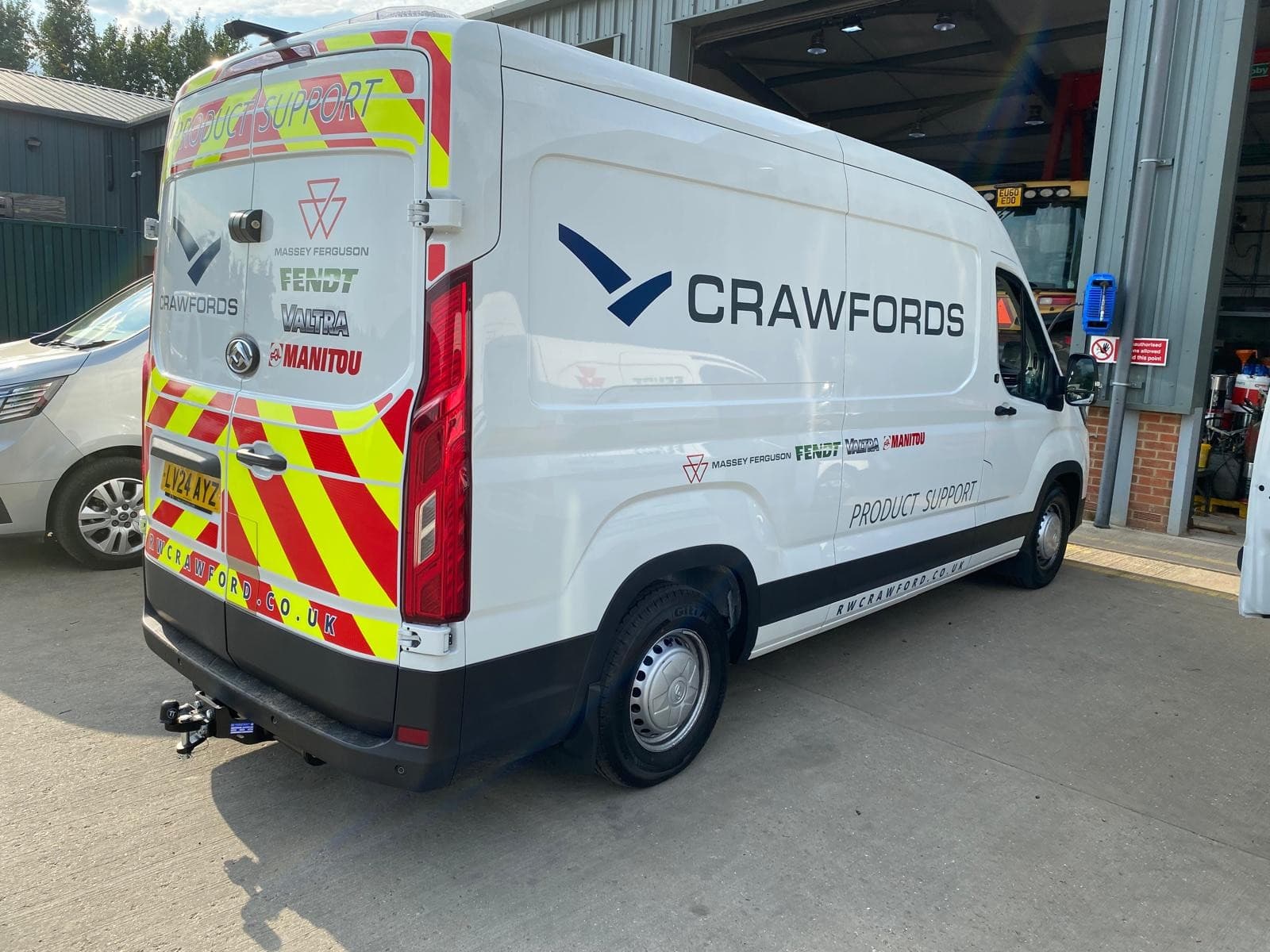
This is the experience of Crawfords Group, which operates a mixed fleet including vans and LCVs and has adopted AssetGo specifically to manage tachograph compliance across their vehicles. The platform allows them to monitor driver hours, download and analyse tachograph data automatically, and maintain full compliance with minimal administrative effort, demonstrating the system’s suitability for operators with light commercial fleets.
“This is all about providing visibility of driver activity, automated analysis of tachograph data and the tools needed to stay compliant without adding administrative complexity. Many operators assume introducing a tachograph management system will be complicated or disruptive, when in fact the onboarding is usually completed quickly and with minimal disruption to daily operations.”
AssetGo also notes that for operators involved in international transport, including own-account vehicles travelling to, through or from the United Kingdom, compliance with the new tachograph requirements is mandatory unless they qualify for a specific exemption.
AssetGo says fleets that act early will be better positioned to avoid penalties, streamline compliance processes and maintain operational efficiency once the new rules take effect.