As fleet operators across the UK begin the serious business of transitioning to electric HGVs, it’s becoming clear that charging infrastructure - not vehicle availability - is now the real bottleneck. And nowhere is that felt more acutely than in securing access to reliable, high-power charging, explains Benjamin Dovey, UK Sales Director, Fleete.
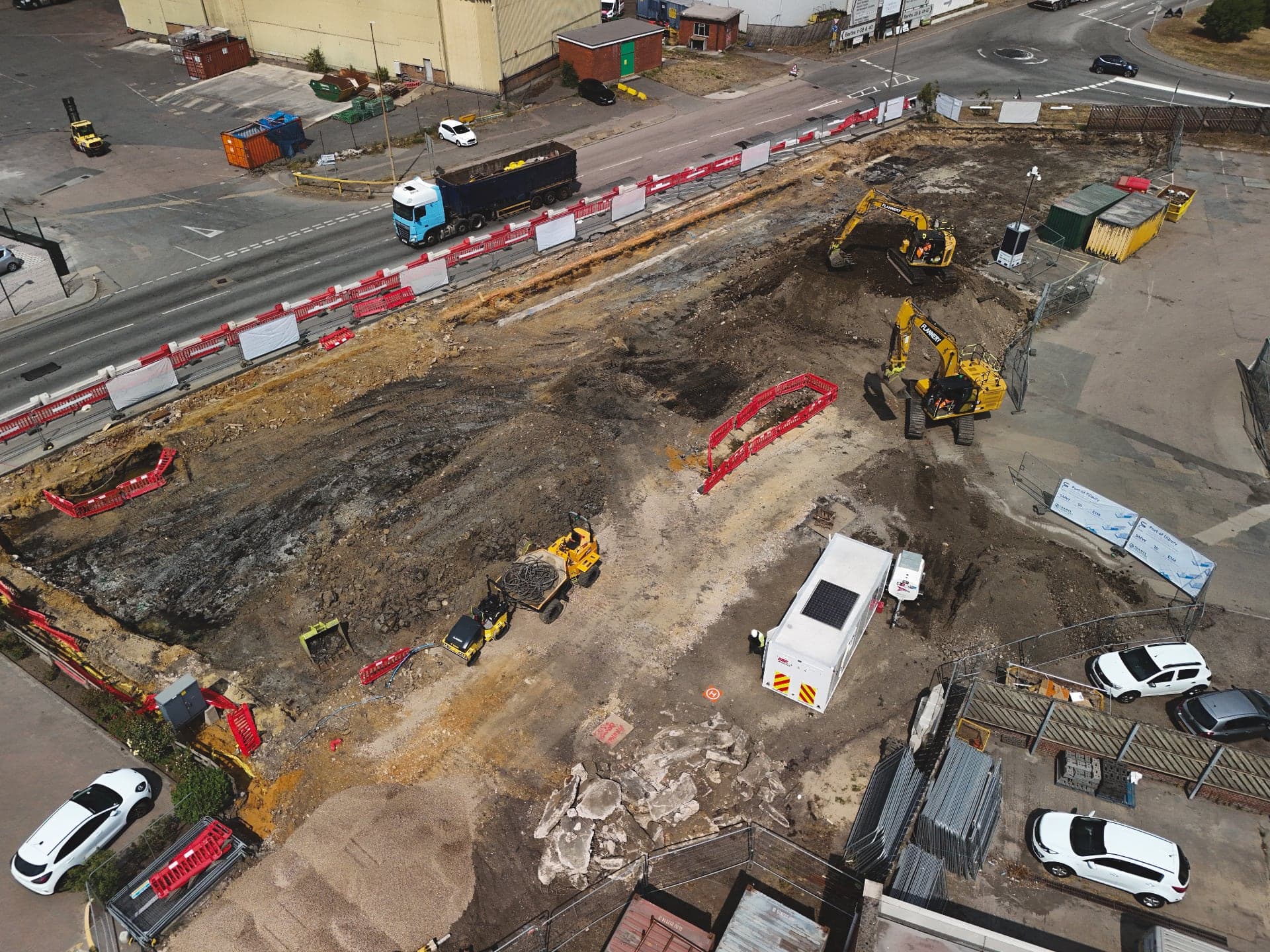
That’s exactly why we’re building one of the UK’s largest dedicated commercial EV charging network starting with our first hub at the Port of Tilbury. Scheduled to go live in late December /early January, this site is a fleet-focused response to the growing structural barriers that are holding electrification back.
Strategically located
Operators know that zero-emission transport is coming, and many are ready to invest. But for most, installing private depot charging means navigating delays, high grid upgrade costs, and limited capacity. This is why Fleete is building a network of hubs at strategic port and logistics locations across the UK. Tilbury is the largest of the Thames ports and part of the Thames Freeport; it sees more than 10,000 vehicle movements each day and is home to over 60 businesses operating commercial fleets.
Standing charge can hit hard
Even where the grid is technically available, the economics can be difficult. Once a site increases its available supply capacity to support vehicle charging, it can be caught out by higher daily standing charges for businesses under the rules set out by Ofgem’s Targeted Charging Review (TCR). Set by the National Energy System Operator (NESO) and your local Distribution Network Operator (DNO), these fixed charges are based on the connection size, not energy use. In practice, boosting grid capacity by 1–2 MW adds substantial fixed daily charges that vary hugely by region and voltage.
A 1 MW increase can mean roughly £35,000 extra per year in capacity fees in Scotland, £40,000 in London, or £50,000 in the Midlands or South West. For underutilised depot infrastructure, those costs can quickly erode the business case for going electric: a fleet of five electric trucks averaging 80,000 miles a year is expected to consume ~750 MWh electricity annually – at this level of utilisation, just these fixed connection charges can add up to 7p per kWh. This, along with the commodity cost, other non-commodity and supply costs, infrastructure costs and operational costs rapidly add up to an unsustainable total charging cost. But it doesn’t need to be that way.
Sharing the load
At Fleete, we believe shared charging hubs are the most commercially viable way to overcome that challenge. By pooling infrastructure across multiple users, we can dramatically improve utilisation, and that’s the key.
The Tilbury site will be capable of charging up to 16 vehicles simultaneously. It will feature 12 high-power chargers from Heliox, each delivering up to 360 kW, and four units from Voltempo’s Hypercharger Megawatt System, making it suitable for both heavy-duty trucks and lighter commercial vehicles. The hub is located on the A13 corridor into London, giving it strategic relevance not just for port tenants and users, but for urban distribution and regional operators as well.
And with our transparent pricing model from 36p per kWh (base energy cost plus a simple service fee) , operators can budget with confidence. At these prices, many of our customers, find the total cost of ownership for electric trucks is already competitive with diesel and cheaper than building and operating their own depot.
Getting the funding right
Importantly, this isn’t just a private initiative. The Port of Tilbury hub is the first EV infrastructure project supported by seed capital from the Thames Freeport programme, a £1 million public investment that’s already unlocked over five times that amount from private partners. It’s a strong example of how targeted public funding can accelerate net-zero outcomes while delivering practical benefits to businesses on the ground.
Shared hubs make smarter charging
Shared charging hubs aren’t a compromise, they’re a strategic response to the limitations of depot charging, particularly for operators who don’t have the scale or location to justify a large grid upgrade. They offer a faster, fairer route to electrification and help ensure that infrastructure investment is used where it will have the most impact.
The Tilbury hub is just the beginning. At Fleete, we’re already developing future locations in Greater Manchester, Kent, Staffordshire, North Warwickshire and East Suffolk, as well as further locations in London, creating a national network designed around the real operational needs of fleet operators.
As more vehicles hit the road, infrastructure must keep pace. Shared hubs are how we get there, at speed and at scale.