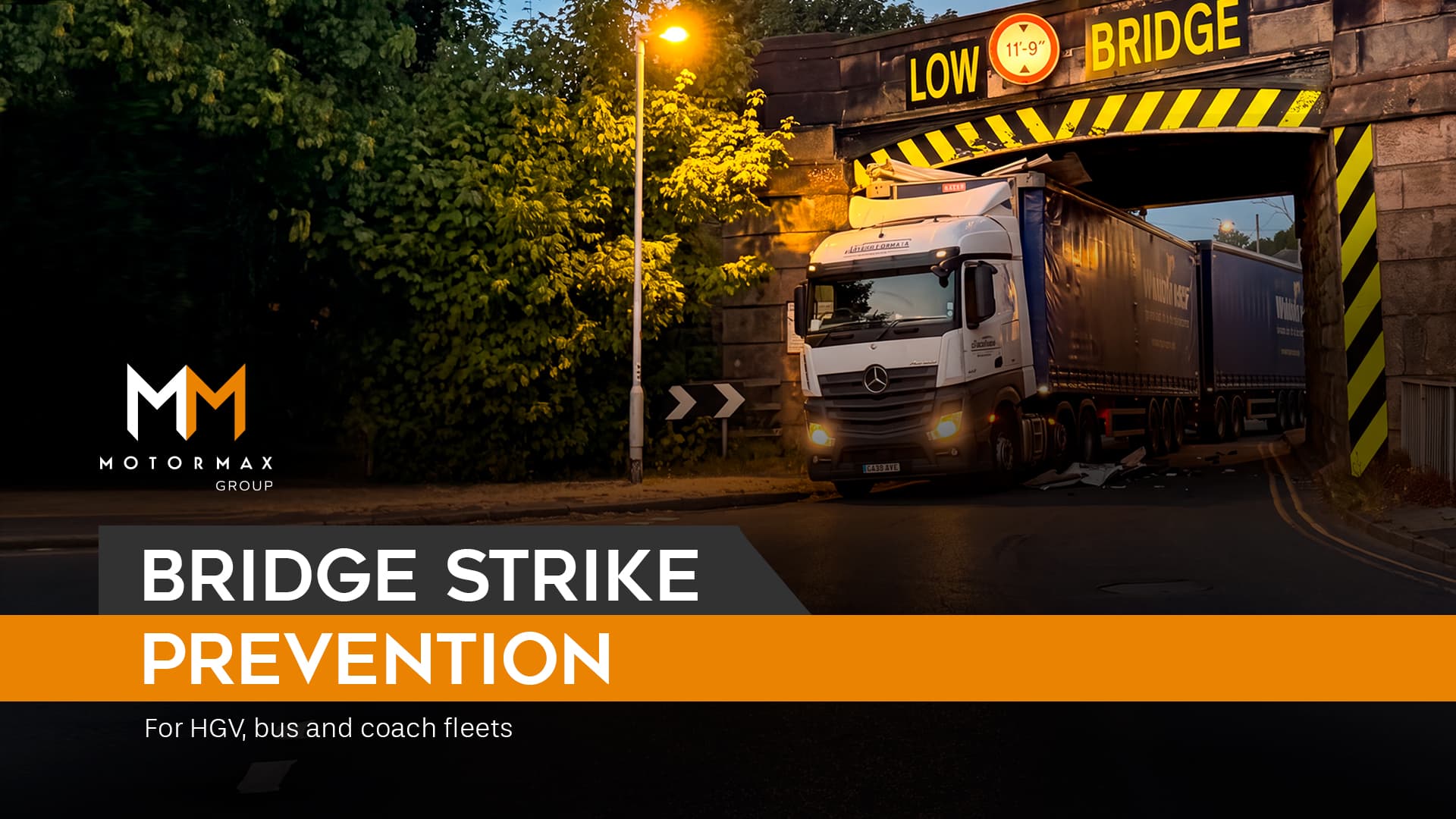
Bridge strikes remain a significant safety and operational risk for commercial fleets. James Haycock, Co-Founder and Director at Motormax, discusses how AI and connected fleet technology can provide drivers with an additional layer of support and help operators strengthen their bridge strike prevention measures.
How can technology help prevent bridge strikes?
We're increasingly designing solutions using AI technology to help prevent incidents before they happen, as opposed to just reporting on the incident after it has occurred. Our focus is to provide our customers with the right solutions that work alongside robust operational procedures to support drivers and reduce risk.
Even with effective route planning, driver training and established procedures in place, there is still the potential for human error. AI fleet safety technology can provide drivers with an additional layer of support by identifying a potential height-clearance risk and providing an early warning before the vehicle reaches the obstruction.
Why do bridge strikes continue to be such a concern?
The number of incidents remains significant. According to Network Rail, there were 1,666 reported railway bridge strikes in Britain between April 2024 and March 2025 – equivalent to one every five hours.
Research found that 32% of drivers admitted setting off without being aware of their vehicle height, while 56% hadn't considered low bridges when planning their journey.
Fleet operations can also be complex. Different trailers, loads and equipment can change travelling height, while diversions and unfamiliar routes can introduce additional risks.
What are the consequences for fleet operators?
The consequences can extend well beyond damage to the vehicle or bridge. A strike can cause road and rail closures, operational downtime, recovery costs and significant disruption, as well as putting drivers, passengers and other road and rail users at risk.
According to guidance from the Traffic Commissioners for Great Britain, operators could also face increased insurance premiums or direct compensation claims, reputational damage and, in some circumstances, prosecution. Ultimately, an operator's licence could be suspended, curtailed or revoked.
How does Motormax's Low Bridge Detection System work?
Our Low Bridge Detection System uses AI, GPS or a combination of both to identify potential height-clearance risks and warn the driver before they reach the obstruction.
For fixed-height vehicles, the vehicle height is configured during installation, so the system can operate automatically without the driver having to enter the height before every journey.
When a potential risk is identified, visual and audible in-cab warnings alert the driver, giving them the opportunity to stop and take an alternative route.
Can operators monitor these risks across their wider fleet?
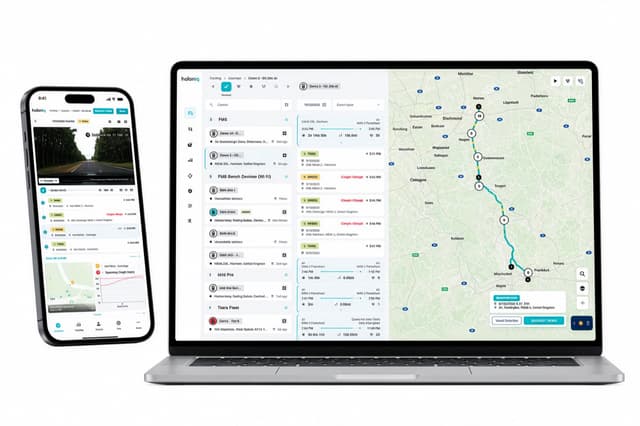
Yes. The immediate priority is supporting the driver, but connected technology also gives operators greater visibility of the risks occurring across their fleet.
The system can operate independently or integrate with our Maxconnex® platform, enabling events to be recorded for reporting and analysis. Height-related incidents and near misses can be reviewed to help identify recurring locations, routes or behaviours and support driver training. It can also integrate with the Geotab telematics platform, bringing bridge strike information into the operator's fleet management platform.